

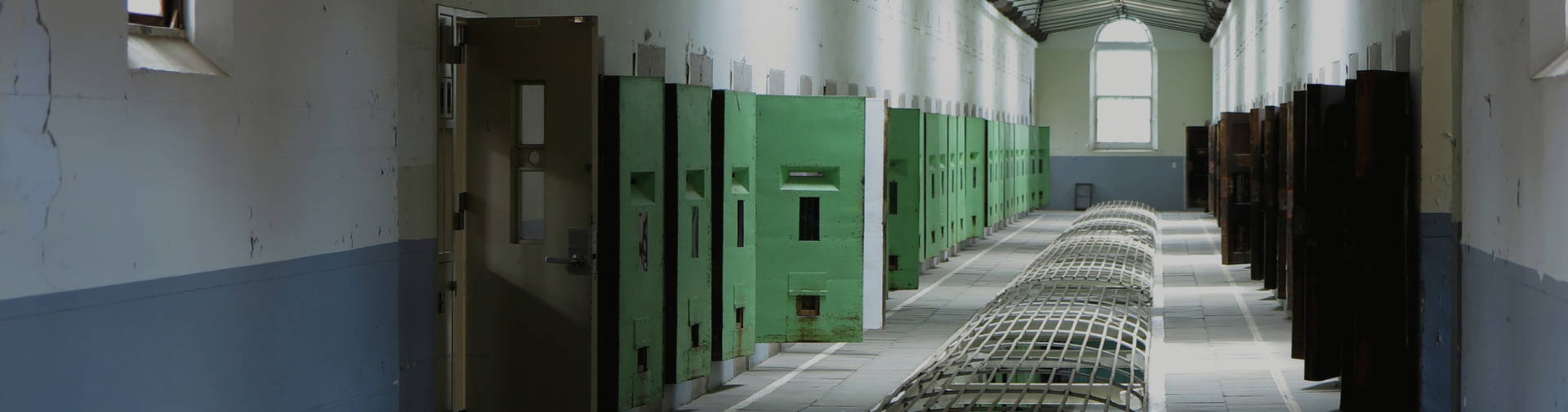

The Sentencing Act 2026 was brought forward to change automatic release dates for some prisoners from 2 September. The Government have now paused these changes due to calls for review from survivors of serious sexual abuse and violent offences.
What is the ‘Early Release Scheme’ and Who Does it Apply To?
The early release scheme has been announced by the Government as a method to manage prison populations which are operating at close to capacity across the country. It is approximated that the overall occupancy level currently sits at around 98% across UK prisons. Overcrowded prisons are known to pose a risk to the safety of prisoners and prison staff.
The Government assured in 2024 that they were working on a long-term plan to add 14,000 new prison places by 2031 through a “10-year prison capacity strategy”. One new prison, HMP Millsike, has opened since the strategy was announced and some existing houseblocks and prisons have been expanded to accommodate increasing prisoner numbers.
The early release scheme has been proposed to free up prison spaces from September 2026 onwards and applies to prisoners primarily serving Standard Determinate Sentences (SDS).
This is the most common type of prison sentence handed down by the Courts. The court decides the length of the sentence, and the offender is released automatically at a specified point before the sentence ends, with the remainder served on licence in the community.
Many perpetrators of physical and sexual violence are presently serving SDS sentences.
Under the new regime, eligible SDS prisoners may be automatically released after serving 33% of their sentence.
Many survivors of abuse had previously been assured that the early release scheme would never apply to their perpetrators. Survivors are now being contacted by email, letter and through the Victim Contact Scheme to inform them that their abusers may be released into the community early under the new provisions.
What this means for survivors of child abuse, sexual abuse and other violent offences
Survivors of abuse view a prison sentence as more than punishment. A prison sentence represents a sense of safety for themselves and others, recognition and justice.
Many survivors spend years living with trauma before feeling able to report sexual abuse. Criminal investigations can take years to conclude, and the process involves reliving the events and, in many cases, giving evidence against their abusers. The criminal process includes but is not limited to the following steps: –
-
Making a police report, possibly undergoing physical / forensic examination for the purpose of the investigation and allowing the police time to investigate the crime thereafte
-
Waiting for a charging decision from the Crown Prosecution Service
-
Attending preliminary hearings and assisting with trial preparation
-
Waiting for a trial date
-
Attending the trial and giving evidence
-
Waiting for a sentencing hearing date
-
Attending the sentencing hearing or waiting to receive notice of the sentence thereafter
This process itself can take years.
A report published by Victim Support in 2024, ‘Suffering for Justice’ found that half the cases studied took three years or more from the date of police reporting to the first court date, and many were repeatedly adjourned.
The Suffering for Justice report found explicitly that the court process is retraumatising for victim-survivors of sexual violence. Some survivors reported developing PTSD, suicidal thoughts and suicide attempts during this process. 73% of survivors experienced questioning associated with rape myths, the notion associated with victim-blaming, such as suggesting that the victim was somehow at fault for the crime or that the perpetrator should be absolved of responsibility for their actions (this often comes in the form of questioning a survivor’s clothing or actions, or attaching some form of stigma or shame to the survivor’s account).
Rape Crisis England & Wales produced a 2025 report, ‘Living in Limbo’ which labelled the justice process for survivors a “profoundly damaging experience” due to lengthy police investigations and CPS decision-making which often precede years of court delays. Commenting on the report 2025, CEO of Rape Crisis England & Wales Ciara Bergman said “many survivors go through this gruelling process because they want to stop rape and sexual abuse from happening to anyone else. But the current failings mean that justice remains out of reach for those who need it most.”
Undoubtedly, survivors who have endured this difficult process and secured a conviction have now been left feeling hopeless that their contributions have been worthwhile and are questioning whether their justice is upheld.
Survivors have now called for the Government to address widespread concerns regarding the early release of sexually violent offenders under the proposed scheme. The scheme has been placed on hold whilst the provisions undergo urgent review.
If you are struggling with the effects of sexual abuse and would like to speak to a solicitor about a claim for compensation, Farleys Solicitors have a team of specialist lawyers with extensive experience of managing sexual abuse claims. To discuss your case in complete confidence, please call our dedicated abuse claims line on 01254 606008. Alternatively, you can contact us by email or through the online chat below.
*Update 4 August 2026 – under the Updated UK government Sentencing Policy, individuals convicted of rape, certain serious child sexual offences and grooming will now be explicitly excluded from the modified early release provisions referred to within this blog as a result of ongoing campaign on behalf of sexual abuse survivors and Parliamentary reconsideration of the implementation of the early release scheme.*
This article is for information only and does not constitute legal advice. We recommend seeking professional advice before taking any action on the information provided. If you would like to discuss your specific circumstances, please feel free to contact us on 01254 606 008.