



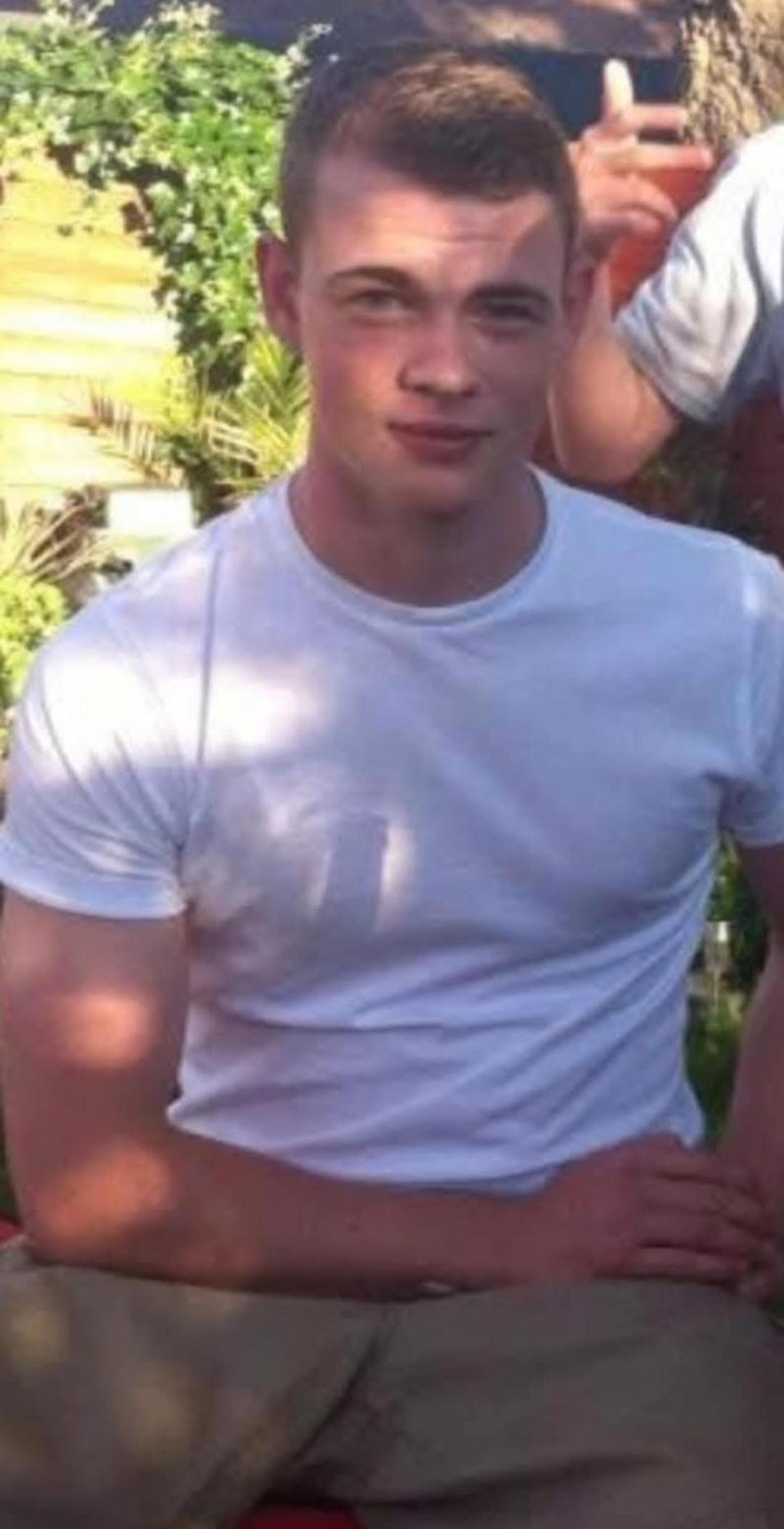
An inquest jury has concluded that neglect contributed to the death of Duncan Colquhoun, 28, who died after cutting his neck with a craft knife while detained under the Mental Health Act on a medium secure ward.
Duncan died on 11 December 2024 at Royal Preston Hospital, after being found seriously injured in his bedroom on Calder Ward at the Guild Lodge psychiatric hospital in Lancashire. The five-day inquest, held before HM Area Coroner Emma Mather and a jury, concluded on 20 November 2026. Lancashire and South Cumbria NHS Foundation Trust admitted a series of failings during the hearing, which included:
- Unsupervised laptop use: Duncan was able to order an art set containing a craft knife using a ward laptop. The jury found a failure to supervise and/or monitor its use.
- Parcel not checked properly: The set arrived on the ward on 27 October 2024. The knife was not identified or removed, and Duncan should not have had possession of it.
- Searches missed the knife: Searches between 27 October and 11 December 2024, including of Duncan’s bedroom on 10 November and 8 December, failed to find it.
- Observation gap: Duncan was on 15-minute observations, but around 28 minutes passed before staff checked on him on 11 December. The jury said this did not directly contribute to his death.
- Emergency response: The jury noted that aspects of the response could have been better co-ordinated, with delays in starting CPR and deploying emergency equipment.
The jury concluded: “We find that these failures contributed to Duncan’s death. The craft knife which Duncan had in his possession was used to inflict the fatal injury.”
Duncan’s family described him as outgoing, funny, kind and caring, with a happy-go-lucky nature and a smile that could light up a room. He had a deep love for his family and a generous spirit, and was always willing to help others. He tried to manage his mental health himself because he did not want to burden those close to him.
The family said:
Duncan’s passing has left an immeasurable void in our lives, and we will always cherish the love, laughter, and warmth he brought to our family and friends. The admissions are painful to hear. The knife should never have been in Duncan’s possession. We hope the findings from this inquest lead to meaningful, lasting change and help prevent another family experiencing a similar loss. Our beautiful brother has helped to save the lives of others through these changes, but it should not have taken Duncan’s death for these actions to be put into place.
Alice Wood, solicitor for the family at Farleys Solicitors, said:
Throughout this inquest, we have heard evidence of a series of failures surrounding Duncan’s care. Duncan’s death was preventable. Straightforward safeguards should have ensured that a craft knife was never allowed onto a mental health ward or into his possession. We welcome the changes made by Lancashire and South Cumbria NHS Trust and hope the lessons learned from Duncan’s death lead to lasting improvements. Families must be able to trust that mental health services will keep their loved ones safe.
The events leading up to the Inquest
Duncan had a diagnosis of schizoaffective disorder and a history of serious mental health difficulties, self-harm and previous suicide attempts. He was detained under the Mental Health Act and transferred to Guild Lodge in January 2024, moving to the medium secure Calder Ward in June 2024.
In August 2024, he seriously harmed himself using broken plastic from a television remote and needed hospital treatment. His observations were increased and the risk of laceration to his wrists and neck remained recorded in his risk information.
The inquest heard that ward laptop use should have been supervised, and that had staff known about the order, Duncan would have been asked to buy a different item. The healthcare assistant who signed in the art set accepted that she did not open it, check the contents or remove the craft knife and sharpeners, and that she should have.
On 10 December 2024, Duncan went for a walk with his Consultant Forensic Psychiatrist and spoke about his progress and future. He had been referred to a low secure service, but there was a long waiting list. On 11 December he went on escorted leave to a local shop and later played table tennis, and staff reported no concerns about his presentation. CCTV later showed him returning to his bedroom. About 28 minutes passed before a member of staff looked through the door window and found him seriously injured. Staff raised the alarm and he was taken to hospital, where he died.
Admission of Failures
The Trust admitted during the inquest that:
- The retractable craft knife should have been identified during parcel checking, and Duncan should not have had it. It should have been removed from him.
- The knife was not found in later room searches.
- Care plans and risk assessments should have been reviewed and updated more regularly and more fully reflected his presentation and needs, although his key risks remained known to the multidisciplinary team.
- There was inadequate oversight of his internet use and online purchasing.
- Observation and security arrangements were not optimal: the SAS role carried competing responsibilities that could affect staff’s ability to complete observations on time.
- Duncan was not observed for about 28 minutes on 11 December 2024.
- The emergency response could have been better co-ordinated, with delays in starting CPR and deploying emergency equipment.
- The knife entered the ward through the parcel checking process, went undetected and was used to inflict the fatal injury.
Changes since Duncan’s death
Since Duncan’s death, the Trust have initiated a number of changes to their operating procedures, which were examined at the inquest including:
- Revised parcel management procedures and strengthened checks on parcels entering the ward
- Introduced enhanced involvement of the security team
- Strengthened room-search arrangements and introduced enhanced search training
- Reviewed observation and security processes
- Improved governance, audit and assurance arrangements
- Implemented learning from internal and external reviews
Furthermore, the Coroner has asked the Trust to confirm that healthcare support workers are aware of life support training.