

 The inquest into the death of Kurtis Erik Ward, aged 21, concluded at Norfolk Coroner’s Court on 16 June 2026 before HM Area Coroner Johanna Thompson.
Kurtis died on 2 July 2022. The Coroner recorded a conclusion of suicide. The Coroner found that Kurtis had a highly complex background in respect of his social and healthcare needs, including a diagnosis of autism spectrum disorder, significant physical health conditions requiring surgery and specialist follow up care, a history of mental health difficulties, and caring responsibilities within his family.
Although the Coroner did not make a finding that any acts or omissions by state agencies contributed to Kurtis’ death, the inquest heard evidence about the pressures on Kurtis as a young carer for his sibling, previous mental health difficulties, and the involvement of multiple agencies in the years and months before his death. The Coroner noted that there may have been a missed opportunity for Kurtis to be seen by a social worker, but concluded that it was not possible to say whether this would have prevented Kurtis’ death.
The inquest considered evidence from Norfolk and Suffolk NHS Foundation Trust (NSFT) and Norfolk County Council (NCC), as well as written evidence from a number of professionals.
Kurtis’ life and circumstances
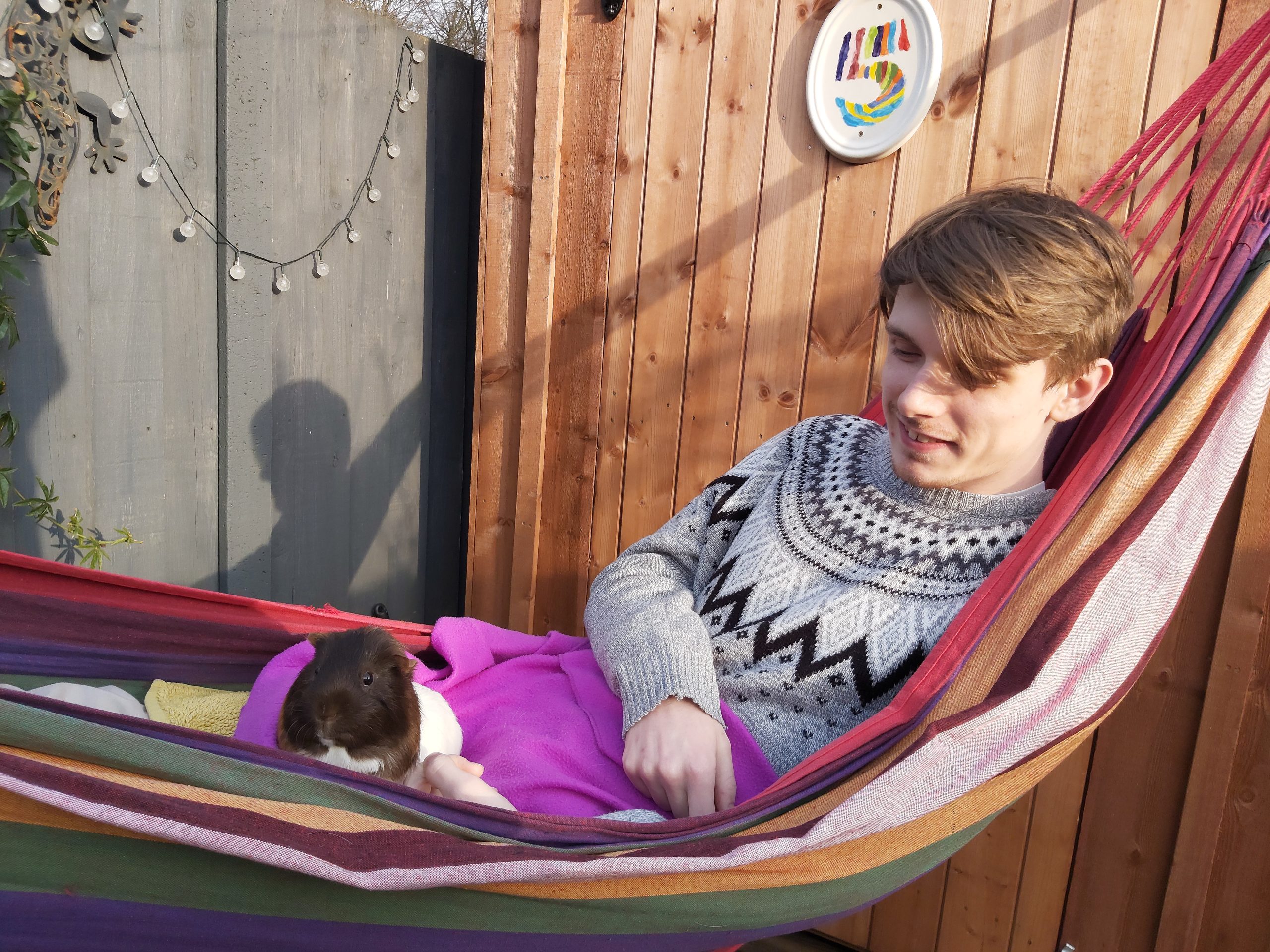
Kurtis was described by his family as a highly intelligent, thoughtful and politically engaged young man. He had a deep interest in history, politics, the environment, animals, and the world around him.
Kurtis had lived with significant physical health conditions, including familial adenomatous polyposis and coeliac disease, and had undergone major surgery. Kurtis had also been diagnosed with autism spectrum disorder in November 2017 and had experienced anxiety and depression.
The inquest heard that Kurtis had previously expressed suicidal intent and had taken an overdose in 2019. He had been under the care of mental health services, focusing on anxiety and graded exposure work, and was discharged from the NSFT youth service in August 2021, around 11 months before his death. Kurtis was discharged into his mother’s care, however, his mother was not told about three previous suicide attempts. Evidence was given that the NSFT is now clear that information should be shared with family where relevant to keeping someone safe, and noted that Kurtis had given consent for information to be shared with his parents. Further, there should have been a documented Multi Disciplinary Team meeting prior to Kurtis’ discharge in line with Trust policy.
The inquest heard evidence that Kurtis may have been good at masking distress. During questioning, it was accepted by NSFT that autism can impact how a person communicates and presents, and that it should have featured in formulation and consideration within Kurtis’ care planning. Kurtis’ GP completed a review following his death, which highlighted that patients with autism are 9x more likely to consider suicide than the general population, and 80% of autistic adults reported difficulty visiting a GP.
In relation to Norfolk County Council, the inquest heard evidence about Kurtis’ role as a carer within his family and whether he should have been offered support or assessment in his own right. Evidence was heard that Kurtis was known to be providing informal care to his sibling and that there was an appearance of him carrying out caring tasks. It was accepted in evidence that where it appears to a local authority that a carer may have needs, the authority must assess or seek consent for assessment.
The court also heard that a referral made to Norfolk County Council in June 2022, which included information about Kurtis and his mother, was placed on his mother’s record rather than being opened separately in respect of Kurtis. Evidence was heard that the referral ought to have been separated out and triaged in respect of each individual family member.
Kurtis’ sibling had severe health needs, and Kurtis had spoken about how this caused him difficulties. The siblings’ behaviours deteriorated in May and June 2022, and it was felt that the family were at boiling point. An application was made for an assisted living placement for his sibling, which was rejected on 28 June. This was appealed, and granted just days after Kurtis’ death.
Safeguarding Adults Review findings
A Safeguarding Adults Review was carried out following Kurtis’ death. The review identified a number of themes which reflected the family’s experience of trying to navigate complex, fragmented services. The review highlighted that agencies failed to take a whole-family approach. Kurtis’ family felt that, despite the number of professionals involved, no agency truly understood the family’s situation as a whole. His mother had to repeat the family’s story to numerous services, with no consistent trusted professional acting as a single point of contact.
The review also identified that Kurtis’ own lived experience was not fully recognised, particularly in the context of his autism, anxiety, depression, physical health needs, and his tendency to present a more positive picture of how he was coping. It further identified gaps in transitional safeguarding as Kurtis moved from childhood into adulthood, and a failure to properly recognise and support his role as a young and then adult carer.
Comments
Alice Wood at Farleys Solicitors, who represented Kurtis’ family, said:
Kurtis’s mum has worked tirelessly for almost four years since his death to understand the circumstances that led to it and to push for meaningful change. The evidence heard at the inquest and the findings of the Safeguarding Adults Review raise important concerns about fragmented care and lack of ownership between agencies. This case highlights the very real difficulties families face when navigating multiple services, often feeling unheard, unsupported, and at times they are unfairly characterised when they are simply trying to obtain help.
Kurtis’ family hope that the learning from his death will lead to meaningful change, particularly for autistic young adults, young carers, and families trying to access support across complex systems.
Comment of Rachel Spinney, Kurt’s mother:
“I want to thank everyone who has been supportive during this process. The 4-year anniversary of Kurtis’ death is in two weeks. No family should have to wait this long for answers into a loved one’s death, which has been delayed by multi-agency hold ups.
“Kurtis was discharged from NSFT 11 months prior to his death. How he was supposed to manage his anxieties and physical health conditions without support. I didn’t know Kurtis had made previous attempts on his life, and if I had been told, there was more I could have done to support and safeguard him. I couldn’t properly safeguard him, and yet he was discharged into my care. It was said in evidence yesterday that he had agreed for staff to share information with me.
“The decision not to fund Kurtis’ sibling’s assisted living placement put us in a crisis situation, Kurt was about to start an apprenticeship placement, and this decision stopped me from being able to support Kurtis at this final time. His sibling has severe health needs. She wouldn’t let Kurtis sleep and was physical with him, yet there were no safeguarding concerns raised in respect of Kurtis. I believe his fear of the upcoming apprenticeship was a trigger, in light of these concerns. If his sibling had been given the placement, I don’t believe Kurt would have been alone at the point he took his life.
“The Coroner highlighted that there may have been a missed opportunity for Kurtis to be seen by a social worker at Norfolk County Council. He should have been identified as a carer by Norfolk County Council. Despite contact with multiple agencies, there was no consistent, joined up approach to supporting Kurtis and no meaningful recognition of his role as a carer or of the pressures within the family home.
“The Coroner has recognised that Kurtis was a highly intelligent young man living with a complex combination of needs, including autism, significant physical health conditions, longstanding anxiety, and caring responsibilities within the family.
“Whilst the Coroner concluded that it would be speculative to say that any different intervention would have prevented Kurtis’s death, we believe that the evidence reveals important systemic gaps which must now be addressed. These include the need for proper recognition of young and adult carers, improved transitional safeguarding as young people move into adulthood, clearer ownership of complex cases across state organisations, and a better understanding of how autistic individuals may mask distress and risk.
“There has to be a better way for services working with families. As a woman, because I was trying to get services to understand our needs and concerns, I was tagged as being confrontational and controlling. There is a lot of parent blame from services.
“Real and lasting change is required in practice. Kurtis’s death must not be seen in isolation, but as a case which highlights the risks of fragmented systems and missed opportunities. We support the calls for a statutory, independent public inquiry into the Norfolk and Suffolk NHS Foundation Trust.”
Kurtis’ family were represented by Alice Wood of Farleys Solicitors and Annahita Moradi of 12 King’s Bench Walk.